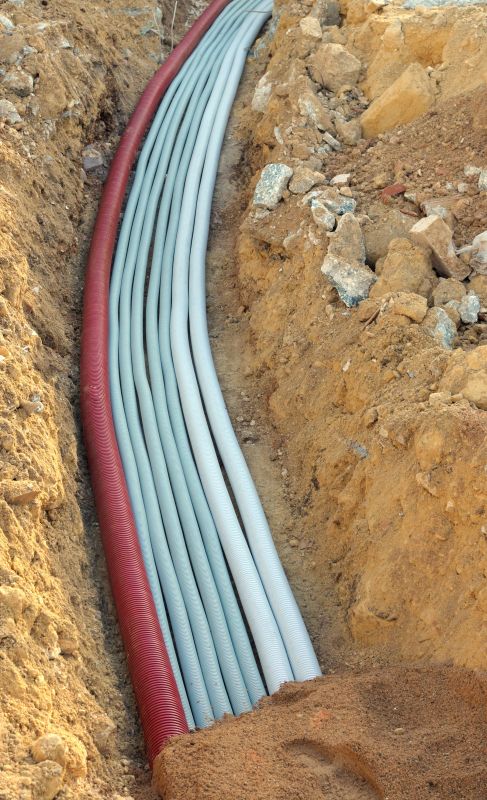
Buried Conduit Installation in Heber City, UT
Buried conduit installation involves placing protective tubing underground to house electrical wiring, telecommunications cables, or other utilities. This service is commonly requested for projects such as installing new electrical lines to outdoor structures, setting up underground wiring for landscape lighting, or extending utility connections across a property. Homeowners typically want to understand the scope of the installation process, the types of conduit materials used, and how the work will be integrated with existing systems to ensure safety and durability.
Before requesting buried conduit installation, property owners often seek information about the planning and permitting requirements, the approximate disruption to landscaping or existing structures, and the long-term benefits of underground wiring. Clarifying these details can help ensure the project aligns with property needs and local regulations, providing a reliable foundation for electrical or communication systems while maintaining the property's aesthetic and functional integrity.
Many property owners in Heber City, UT look into Buried Conduit Installation for repairs, replacements, upgrades, and appearance-related improvements.
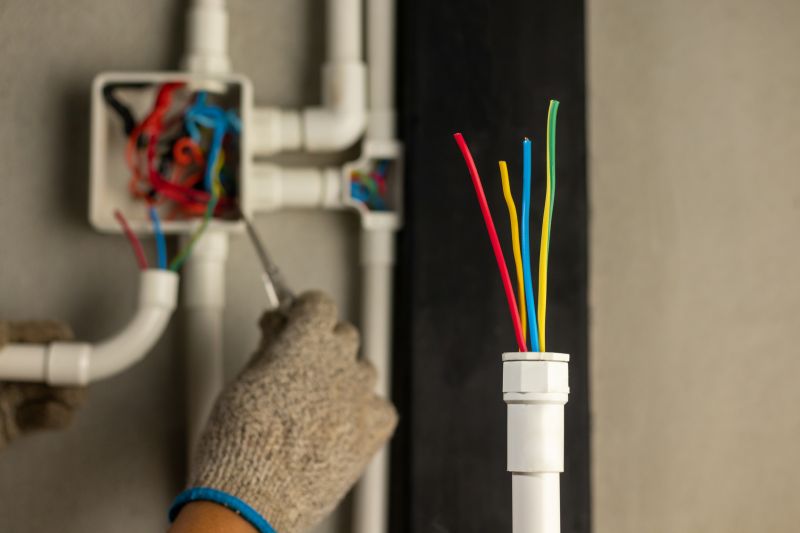
Buried Conduit Installation Basics
Proper installation ensures safe and reliable electrical or communication lines beneath the ground.
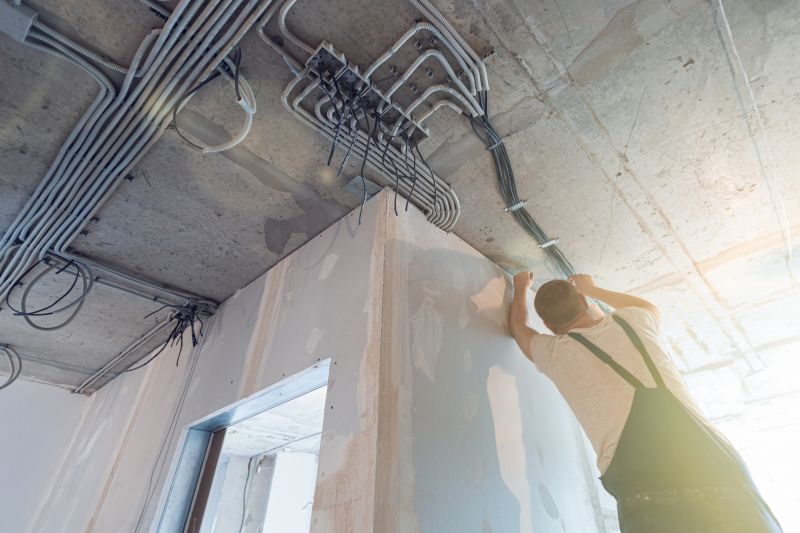
Common Applications For Buried Conduits
Used for outdoor lighting, security systems, and underground wiring in residential and commercial properties.
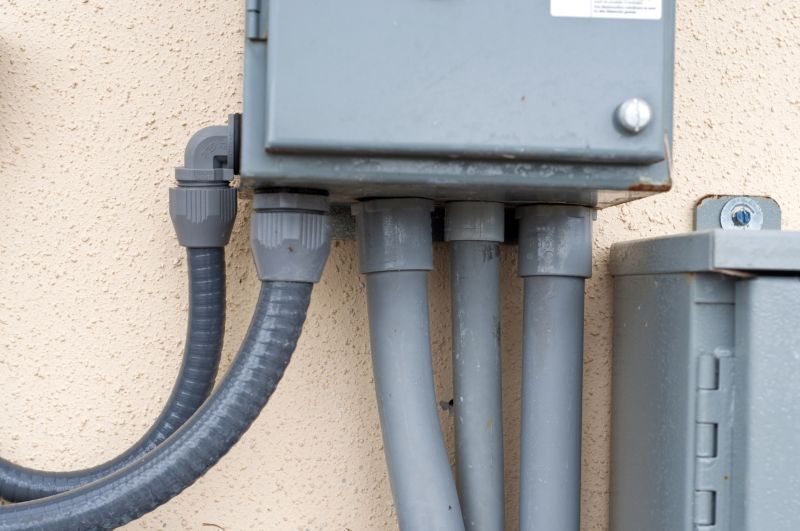
Factors To Consider In Heber City, Ut
Soil conditions, local codes, and future expansion needs influence the conduit installation process.
Buried Conduit Installation in Heber City, UT
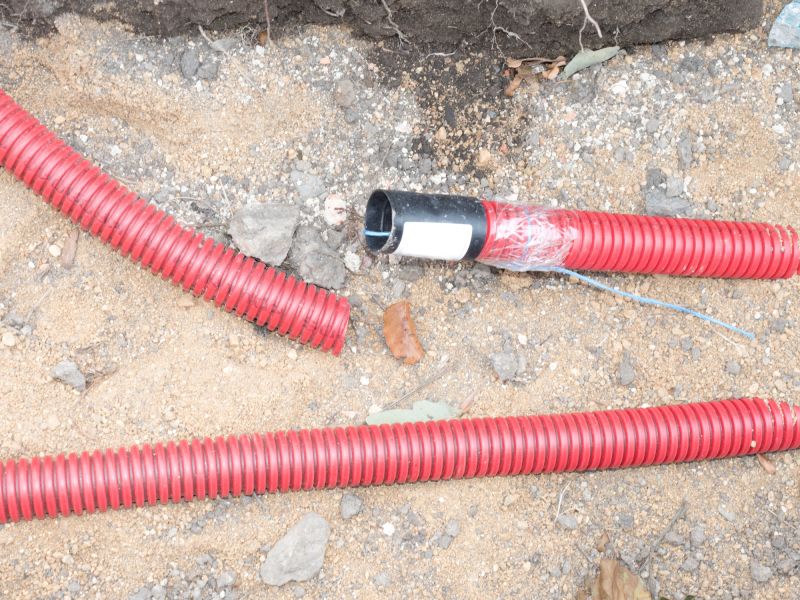
Buried conduit installation involves placing protective tubing underground to house electrical wiring, telecommunications cables, or other utilities. This service is commonly requested for projects such as installing new electrical lines to outdoor structures, setting up underground wiring for landscape lighting, or extending utility connections across a property. Homeowners typically want to understand the scope of the installation process, the types of conduit materials used, and how the work will be integrated with existing systems to ensure safety and durability.
Before requesting buried conduit installation, property owners often seek information about the planning and permitting requirements, the approximate disruption to landscaping or existing structures, and the long-term benefits of underground wiring. Clarifying these details can help ensure the project aligns with property needs and local regulations, providing a reliable foundation for electrical or communication systems while maintaining the property's aesthetic and functional integrity.
Many property owners in Heber City, UT look into Buried Conduit Installation for repairs, replacements, upgrades, and appearance-related improvements.
Common Buried Conduit Installation Jobs
Residential Electrical Wiring - Buried conduit installation provides a protected pathway for electrical wiring in homes.
Outdoor Lighting Projects - Installing conduit underground ensures safe and reliable outdoor lighting systems.
Underground Utility Lines - Conduits are used to run utility cables securely across yards and property boundaries.
Garage and Workshop Wiring - Buried conduits help organize and protect wiring in detached structures.
Irrigation System Wiring - Using conduit underground safeguards irrigation controls and sensors.
Renewable Energy Systems - Conduits support the installation of solar and alternative energy wiring setups.
Buried Conduit Installation Questions
What is buried conduit installation used for? It is used to protect and conceal electrical wiring, communication cables, or other utilities underground for safety and aesthetics.
What types of properties benefit from buried conduit installation? Residential properties, commercial sites, and outdoor structures can all benefit from having utilities safely installed underground.
How deep should conduit be buried? Typically, conduit is buried at a depth that complies with local codes, often around 18 to 24 inches, to prevent damage and ensure safety.
What materials are commonly used for buried conduit? PVC and rigid metal conduit are common choices due to their durability and resistance to corrosion underground.
Request Buried Conduit Installation in Heber City, UT
Use the quote form on this page to share the basics of your project and request more information for the type of work you need.